C103 - The Semiotics of Advertising
Week 15, Asynchronous Bundle 21
Written assignment due Friday 12/12 at 11:59 pm
Introduction
- Goal: Explore the question, what ads are manipulative and what ads are (legitimately) persuasive without extending into manipulation
- Textbook link: None specifically (relates to some extent to Ch. 4 on Codes).
Asynchronous material
Q1:
- Manipulation, for me, means persuading not by reason or emotion, but by pushing buttons which prevent us from consciously controlling our reactions.
- Ads involving children are often manipulative, as we are biologically programmed to want to protect and love the young of our species.
- Manipulation does not necessarily mean "evil", as we can be manipulated in favor of a Good Cause (such as in many of the ads below).
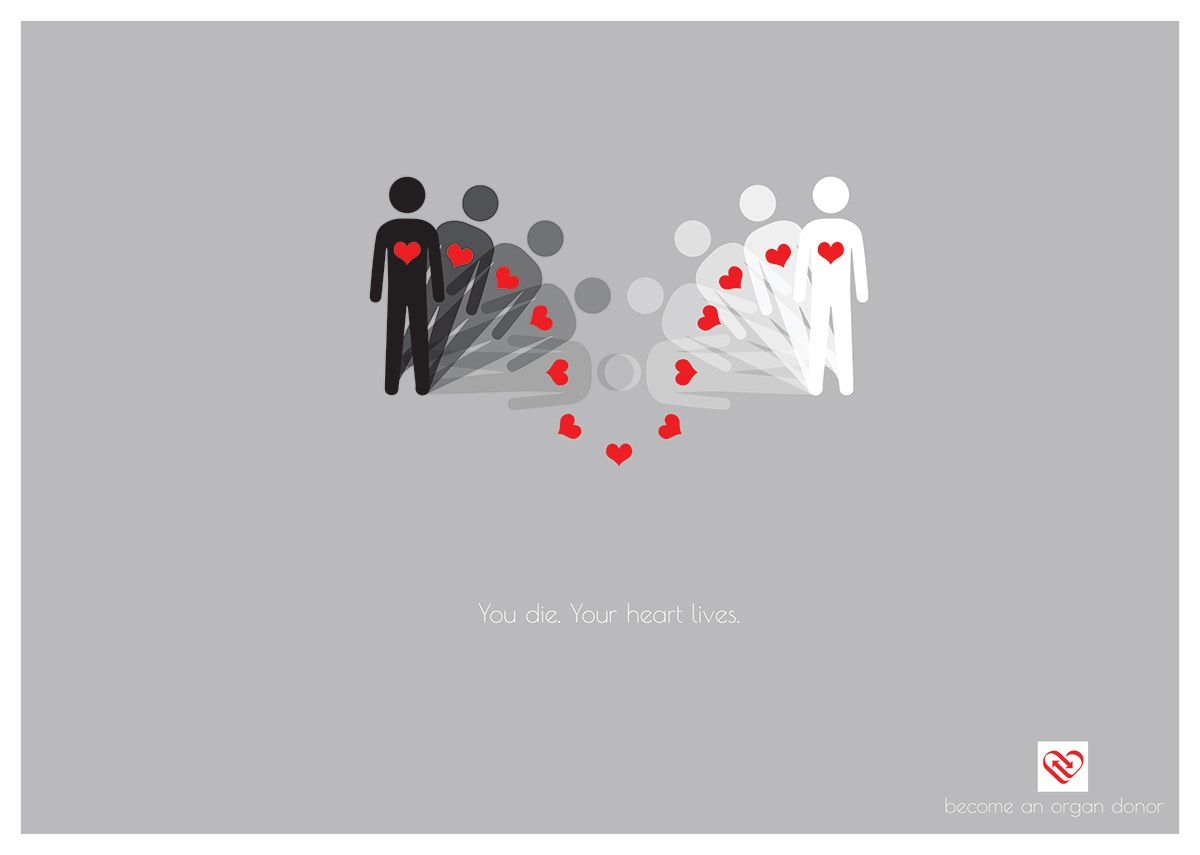
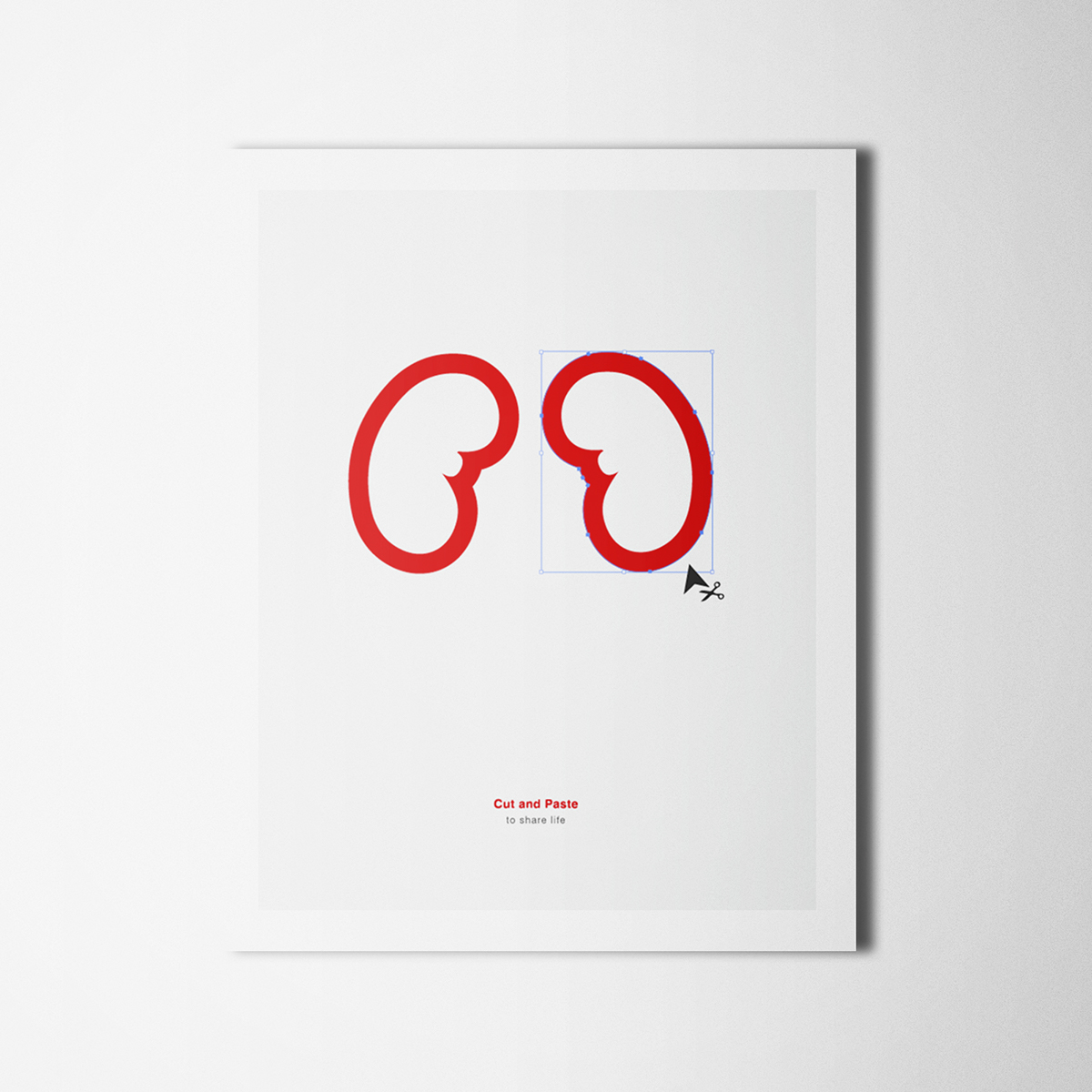
- Let's start with a series of ads for organ donation
- I consider some of these public service announcements (PSA ads) to be manipulative, but not all of them.
- Q1. Divide these organ donation ads into manipulative and non-manipulative groups. Explain why you have put each ad into whichever group. Be sure to identify ads by number in discussing them, so we can be sure which one you are talking about at any given time.
Q2:
- Here are two amazing video ads involving children:
- Q2. Pick one of these three ads (your choice) and tell me whether you consider it manipulative or merely persuasive. What are the key factors in your opinion?
Q3:
- Here's an IKEA ad which I will simply put out for you to watch without giving you my opinion of the ad.
- Q3. So now you tell me, what's going on in this ad? I want to know whether you consider it manipulative, but what else figures into the viewer's reaction to the ad? (Hint: Think back to the rhetorical tropes.)
Q4:
- Here's a clip from the remarkable TV show Mad Men (the season 1 finale) where the lead character, Don Draper, creative director of a major New York advertising agency in the early 1960s presents his idea for a sentimental and manipulative ad campaign for Kodak, which is closely related to ads Kodak actually ran.
- As background information, a big part of the show involves Draper's personal and family life. He is in a struggling marriage, which subsequently breaks up a year or two into the seven-season series run, and the pictures he shows in this presentation are of his own family. This presentation reflects the deep conflicts he feels: he loves his children, especially, but also his wife, even as he continues sleeping with lots of other women and generally being a bad husband and father. But in the show he is the lead character, and we have a lot of empathy with him. The first minute or so is from an earlier scene which I've included to show that these guys, who are all professional ad-makers, are really going about this to make money and bring in advertising business, not to move people's emotions (or at least, that's not their primary concern).
- Here is a classic Kodak ad from the 60s that really did implement a substantial part of Don Draper's vision. I remembered this ad from my own childhood, but it took me at least 15 years to find it (or at least one ad from what was probably a series of ads in a campaign like the one Draper outlines in his presentation to Kodak) once I started teaching this course.
- Q4. How does the notion of nostalgia (which Don Draper talks about in his presentation) relate to the question of manipulation, in your view? Would you say that the authentic Kodak ad is manipulative or simply persuasive? Why?
Q5:
- Here is a pair of very powerful advertisements from Thailand.
- Unsung Hero (for Thai Life insurance company)
- Smoking Kid (an anti-smoking PSA). Note that the ad is followed by a minute or so report about how effective this ad has been; the ad itself is only the first 90 seconds. You're welcome to listen to the report if you want to, but it has nothing to do with the question that follows below.
- Q5. Would you call either or both of these ads manipulative? Why or why not? (Say at least one thing about each ad.)